
Managing Costs and Timelines in Custom Software Projects
- Other News
- Overcoming Common Challenges in Software Development Outsourcing
- How Custom Software Solutions Address Unique Business Needs
- Navigating the Complexities of Integrating Custom Software into Existing Systems
- Ensuring Data Security and Compliance in Custom Software Development
- Managing Costs and Timelines in Custom Software Projects

Managing Costs and Timelines in Custom Software Projects
Introduction
Embarking on custom software projects is an exciting venture, brimming with potential and opportunities for success. However, managing costs and timelines can sometimes feel like juggling flaming torches. Understanding the essentials of cost and timeline management is crucial for ensuring a project’s success. In this blog, we will explore practical strategies to help you keep your project on track, from effective planning and budget forecasting to smart scheduling and progress tracking. Let’s dive into the world of software development!
Understanding the Basics of Cost Management in Software Projects
 Image courtesy: Pexels
Embarking on a custom software project can feel like setting off on an adventure. To ensure you don’t lose your way (or your budget), understanding the nitty-gritty of cost management is essential. Let’s break it down into digestible pieces, beginning with what cost management really means.
Defining Cost Management
Cost management in software projects is essentially the process of planning and controlling the budget of a project. It’s about allocating resources wisely, forecasting expenses accurately, and ensuring that every penny is spent judiciously. Think of it as your project’s financial compass, directing you towards successful completion without emptying your coffers. Key components of cost management include:
– Planning: Estimating overall project costs and setting a budget.
– Tracking: Monitoring expenses to ensure alignment with the budget.
– Control: Taking corrective actions when overspending is detected.
These steps ensure that the financial aspect of a software project is handled with the same care and precision as the technical one.
Importance of Estimating Costs Accurately
Estimating costs accurately at the outset can make or break a software project. Inaccurate estimates can lead not only to overspending but also to project delays and stakeholder dissatisfaction. To avoid these pitfalls:
– Conduct thorough research: Gather data from past projects similar in scope and scale.
– Involve the entire team: Get input from developers, designers, and project managers to create a realistic budget.
– Utilise estimation techniques: Use methods like Three-Point Estimating or Analogous Estimating for better accuracy.
Getting it right from the start ensures that every team member understands what is feasible within the financial constraints, setting the project on a path geared toward success.
Common Pitfalls in Cost Management
Even with the best-laid plans, cost management can be fraught with challenges. Here are some common pitfalls to watch out for:
– Scope Creep: Changes in project scope that are not formally addressed can lead to unexpected expenses.
– Underestimating Complexity: Overlooking the technical challenges can result in budget overruns.
– Poor Communication: Inadequate discussions between stakeholders and the project team can cause misalignment in financial expectations.
Address these issues by enforcing strict change management protocols, conducting regular budget reviews, and maintaining open channels of communication.
Effective Strategies for Timeline Management
While managing costs is crucial, ensuring your project stays on track timewise is equally important. A well-managed timeline means delivering quality software on schedule, which is a testament to your team’s efficiency. Let’s explore strategies that can work wonders in keeping timelines intact.
Setting Realistic Project Timelines
Creating a realistic project timeline is a bit like balancing gastronomy—neither overcooked nor undercooked. Unrealistic timelines can result in stressed teams and compromised quality. Here’s how to strike the right balance:
– Analyse historical data: Use insights from previous projects to set achievable timelines.
– Break down tasks: Decompose big tasks into smaller, manageable ones with specific milestones.
– Engage with the team: Collaborate with all team members to assess how long each task might actually take.
A well-structured timeline not only boosts morale by taking the pressure off the team but also ensures steady progress and completion on time.
Tools and Techniques for Time Tracking
Implementing time tracking tools and techniques is like adding a GPS to your project journey. They help keep the team on the same path and provide an early alert if the project is veering off course.
– Project Management Software: Utilise tools like Jira, Trello, or Monday.com to assign tasks and monitor progress.
– Gantt Charts: Visual representation of your project timeline that makes it easier to track deadlines and dependencies.
– Daily Standups: Quick team meetings to discuss progress, address obstacles, and recalibrate timelines if necessary.
These tools and techniques not only enhance productivity but also provide data-driven insights for future timeline adjustments.
Risk Management for Timeline Adjustments
Risks are inevitable in software projects, and they’re not just limited to technical aspects. Timelines, too, can be impacted by unforeseen issues. Proactive risk management can prevent these issues from derailing your project.
– Identify Risks Early: List potential risks that could affect timelines and create mitigation strategies.
– Create Contingency Plans: Have backup plans ready to implement if timelines are jeopardised.
– Monitor Continuously: Keep an eye on the identified risks throughout the project lifecycle.
By anticipating and planning for potential disruptions, you gain the flexibility to adjust timelines without compromising project quality or deadlines.
Navigating the challenges of cost and timeline management in custom software projects requires a blend of strategic planning, effective communication, and proactive problem-solving. Whether you’re part of a small startup or managing a large-scale development team, mastering these strategies will not only help you deliver on time and within budget but also ensure that your software project is a resounding success.
Aligning Costs and Timelines for Project Success
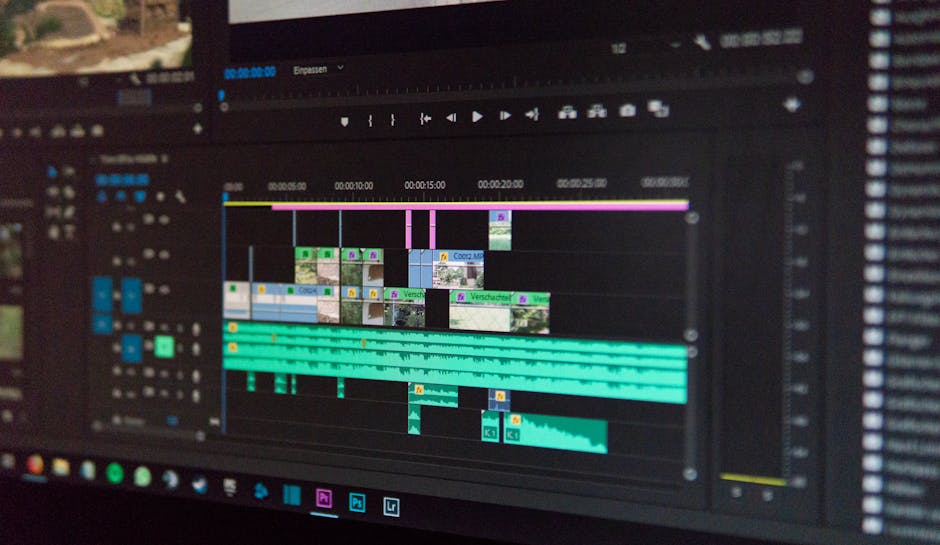 Image courtesy: Pexels
Embarking on a custom software project is like setting sail on an adventurous voyage. To ensure a safe and successful journey, it’s vital to keep costs and timelines in check. Let’s explore how to do that effectively through balancing quality with budget and time, and the importance of stakeholder communication and transparency.
Balancing Quality with Budget and Time
Striking the right balance between quality, budget, and time is the magic formula for any successful software project. Here’s how you can maintain this delicate balance:
– Prioritise What’s Important: List all features and functionalities you want your software to have. Label them as ‘must-have’, ‘nice-to-have’, and ‘optional’. This prioritisation helps in focusing resources on what’s truly important, especially when budget or time constraints hit.
– Set Realistic Expectations: While it’s tempting to aim for perfection, remember that neither Rome nor the perfect software was built in a day. Setting achievable goals not only aligns the team but also prevents unexpected delays.
– Embrace Agile Methodologies: Adopting agile development practices can reduce waste significantly. It enables you to break down the project into smaller chunks, allowing for adjustments along the way. Through iterative progress, issues are identified and resolved faster, bringing better management of both time and costs.
– Invest in Quality Assurance: While it might seem counterproductive to spend extra on testing, investing in thorough quality assurance can save you from costly errors down the line. Catching bugs early prevents them from escalating into bigger, more expensive problems.
Stakeholder Communication and Transparency
Navigating a custom software project without effective communication is akin to steering a ship without a compass. Here’s how to keep stakeholders in the loop for smoother sailing:
– Regular Updates: Establish a routine for providing stakeholders with updates on progress, budget status, and potential roadblocks. Whether through meetings, emails, or reports, consistent communication keeps everyone on the same page.
– Open Dialogue: Create an environment where stakeholders feel comfortable discussing concerns or suggesting improvements. Open channels of communication help to anticipate problems and encourage collaboration rather than conflict.
– Set Clear Goals and Milestones: Before the project takes off, ensure everyone understands and agrees on the goals and milestones. Having a shared vision and measurable checkpoints along the way eases tracking success and prompts timely interventions if needed.
– Transparency in Budget Management: Be honest about budget constraints and costs. Breakdowns of how funds are being utilised foster trust and can mitigate conflict later down the line, especially when adjustments become necessary.
– Utilise Project Management Tools: Leverage the power of modern project management tools to provide dashboards and data that stakeholders can access at their convenience. This approach enhances trust and ensures everyone is equipped with the latest information.
In sum, aligning costs and timelines with project success demands a blend of strategic planning, constant communication, and nimbleness to adapt. By focusing on balancing quality with budget and time, and ensuring that stakeholder communication is as clear as a bell, your custom software project can reach its destination smoothly and successfully.
Conclusion
Managing costs and timelines in custom software projects is undeniably challenging but rewarding when approached with the right strategies. By thoroughly understanding project requirements, regularly communicating with stakeholders, and maintaining a flexible mindset, you can lead your project towards success. Remember, the key lies in:
– Diligent planning
– Continual monitoring
– Agility to adapt to changes
By focusing on these areas, you’ll be well-equipped to navigate the complexities of custom software development confidently and efficiently.